Artificial Intelligence (AI) continues to redefine business landscapes, creating both extraordinary opportunities and unique challenges. As companies strive to integrate AI technologies, the emphasis is on striking a balance between innovation and ethical considerations.
The evolution of AI is driving business transformation. Industries are leveraging AI to optimize operations, enhance customer experiences, and develop data-driven strategies. Retail giants, for example, are harnessing AI for predictive analytics to forecast consumer preferences, tailoring marketing campaigns to individual needs. This personalization not only boosts sales but also increases customer loyalty.
However, these advancements come with innate challenges. The ethical implications of AI, particularly regarding data privacy, are significant. Companies like Facebook and Google have faced scrutiny over data handling practices, emphasizing the need for transparent policies. Businesses must commit to responsible AI use, integrating ethical guidelines into AI frameworks to retain trust and credibility.
Moreover, the successful implementation of AI hinges on an organization’s ability to adapt. This involves reskilling the workforce to accommodate AI technologies, ensuring employees are up-to-date with the latest tools and AI applications. Talent development programs play a pivotal role in empowering employees, fostering innovation, and sustaining competitive advantage.
One profound example is the banking sector, where AI is revolutionizing customer interactions. AI-powered chatbots provide seamless customer service, handling inquiries 24/7 and enhancing user engagement. Despite initial apprehensions, banks like JPMorgan Chase are leading with AI adoption, demonstrating how cautious integration can yield positive results.
Furthermore, AI’s potential in supply chain management is immense. Automated inventory tracking, demand forecasting, and risk management are reshaping the supply chain landscape, promising to enhance efficiency and reduce costs. Companies like Amazon are spearheading these changes, showcasing the tangible benefits of AI investments.
Ultimately, the journey toward AI integration requires continuous learning and adaptation. While challenges are inevitable, the potential benefits for businesses are considerable. By fostering an environment of ethical innovation, organizations can harness AI’s potential to drive sustainable success and remain competitive in today’s dynamic market.
Embracing AI Evolution: Navigating Business Opportunities and Challenges Featured
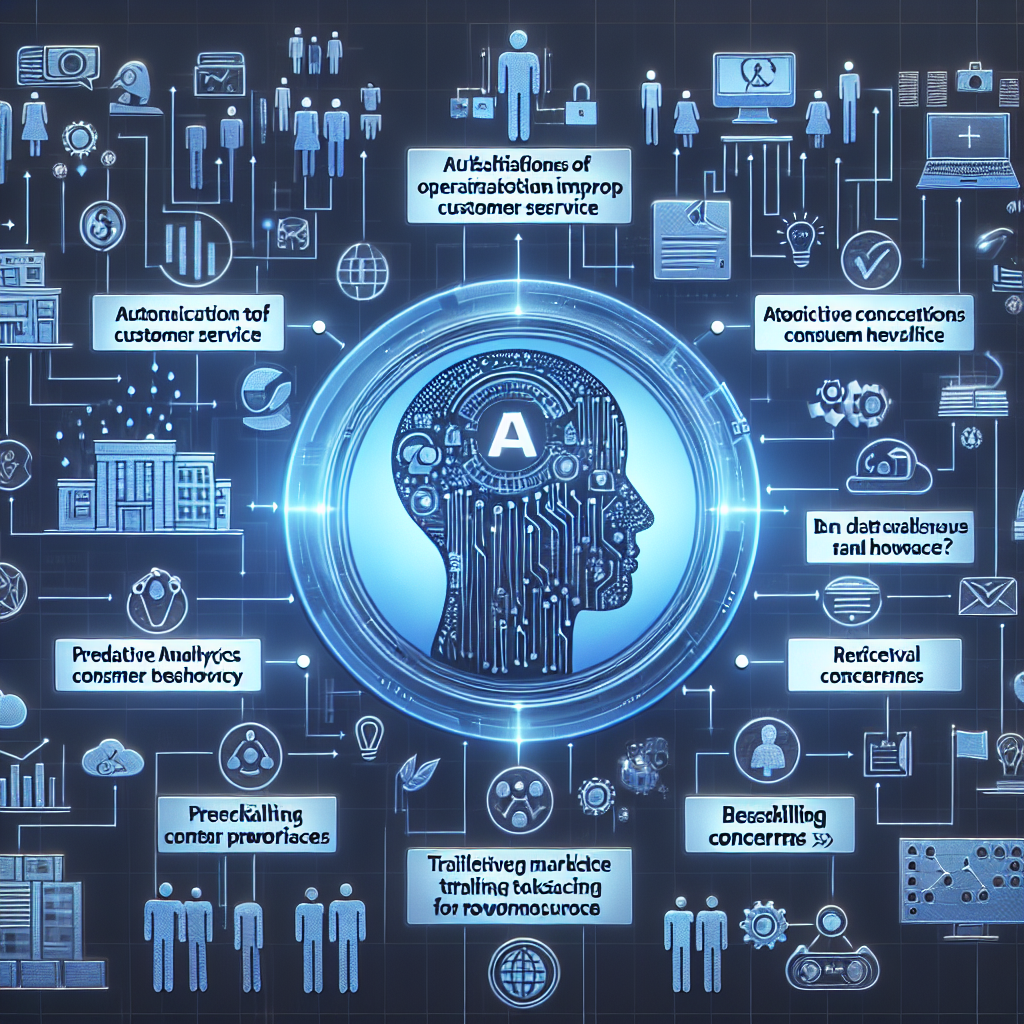 Explore the evolution of AI in business, uncovering opportunities and challenges companies face integrating AI technologies responsibly.

Latest from AIML Tech Brief
- The Rise of Machine Learning in Financial Forecasting
- Innovative AI Applications Revolutionizing Healthcare Delivery
- Leveraging AI Tools in Accounting: A Game-Changer for Financial Firms
- Emerging Tools in AI: Transforming Industries into the Future
- The Latest AI Tools Revolutionizing Business Operations