The retail industry has been revolutionized by the integration of Artificial Intelligence (AI) applications, driving unprecedented innovation and transformation.
In recent years, AI has become a cornerstone for enhancing customer experiences, operational efficiency, and strategic decision-making within the retail sector. As retail businesses strive to stay competitive, several key areas have witnessed significant AI-driven advancements.
One of the most prominent applications is personalized shopping experiences. Retailers are leveraging AI algorithms to analyze customer data, gaining valuable insights into preferences and behaviors. This enables the creation of tailor-made recommendations and offers, fostering a deeper connection with consumers. Companies such as Amazon have set benchmarks by utilizing AI for dynamic page content modification based on user interactions, significantly increasing conversion rates.
Inventory management is another domain where AI has proven indispensable. Predictive analytics powered by AI helps retailers optimize stock levels, minimizing both overstock and stockouts. By analyzing historical sales data and external factors such as trends and weather conditions, AI models can forecast demand with remarkable accuracy, allowing businesses to plan effectively. This demand-forecasting capability was exemplified when a major U.S. clothing retailer successfully reduced excess inventory costs by 25% through AI-powered demand predictions.
Virtual assistance is also gaining traction in the retail sector. With AI chatbots and virtual agents, retailers can offer 24/7 customer support, addressing common queries and enhancing the overall shopping experience. AI-driven assistants are becoming increasingly sophisticated, capable of handling complex interactions and offering product recommendations. Leading retailers are integrating NLP (Natural Language Processing) tools to ensure seamless and human-like conversations with customers.
Moreover, AI is reshaping the logistics and supply chain management landscape within retail. Machine learning algorithms enable route optimization, predictive maintenance of delivery vehicles, and more efficient warehousing operations. This not only reduces operational costs but also enhances delivery speed and accuracy, aligning with customer expectations for swift and reliable service.
As AI applications continue to evolve, privacy and ethics remain paramount concerns for retailers. Companies are working diligently to ensure data security and build consumer trust, while also adhering to regulations and ethical standards. Initiatives to anonymize data and obtain explicit customer consent are essential to maintain transparency and compliance.
The future holds tremendous potential for AI applications in retail, with emerging technologies such as computer vision, augmented reality, and robotic process automation waiting to be fully harnessed. Retailers who embrace AI with a strategic perspective are likely to thrive in an increasingly digital and customer-centric landscape.
The Growing Influence of AI in Retail: Enhancing Customer Experiences Featured
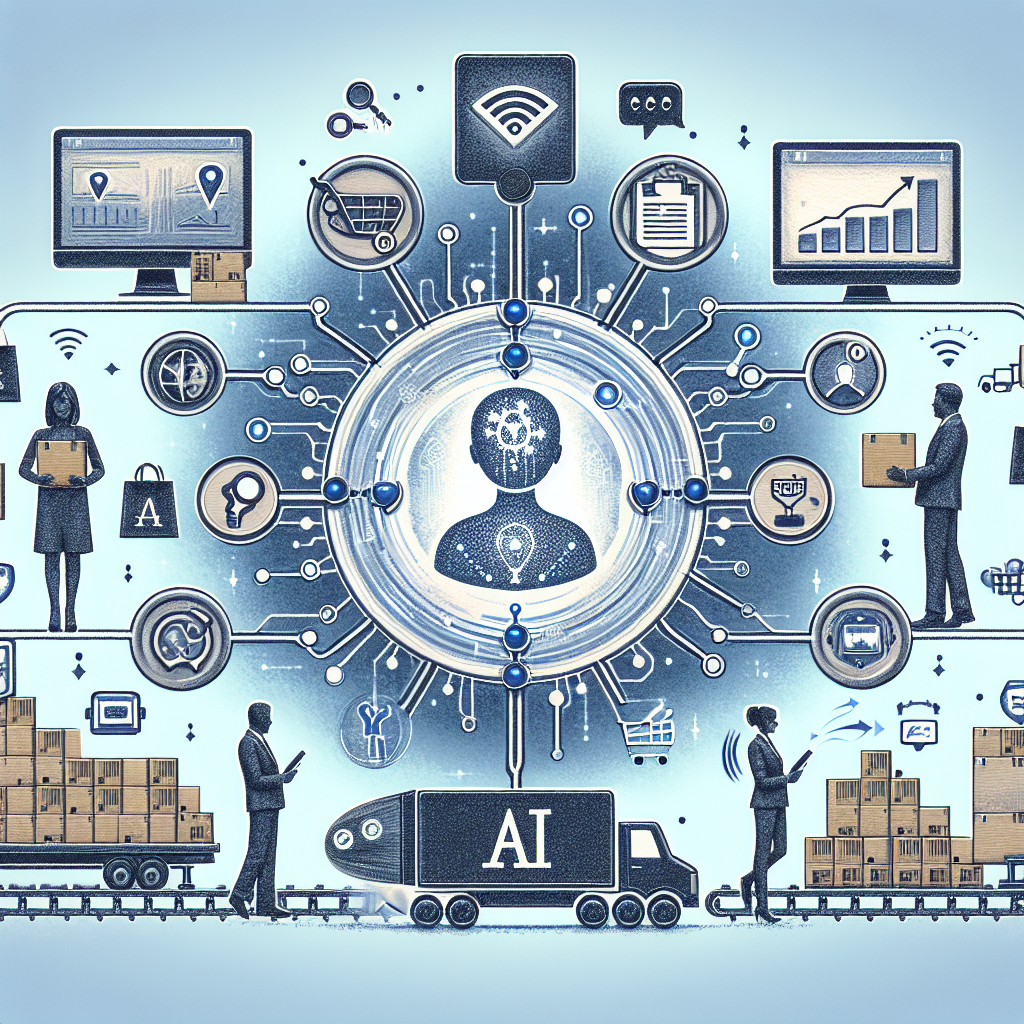 Explore how AI applications revolutionize retail through personalized shopping, predictive analytics, and virtual assistance.

Latest from AIML Tech Brief
- The Rise of Machine Learning in Financial Forecasting
- Innovative AI Applications Revolutionizing Healthcare Delivery
- Leveraging AI Tools in Accounting: A Game-Changer for Financial Firms
- Emerging Tools in AI: Transforming Industries into the Future
- The Latest AI Tools Revolutionizing Business Operations