







Artificial Intelligence (AI) is steadily establishing its presence in the healthcare sector, revolutionizing diagnostic and treatment methodologies. Today, AI-driven applications are not only assisting in early diagnosis but are also augmenting treatment protocols globally.
One of the most significant AI applications in healthcare is predictive analytics. By computing vast datasets from a myriad of patients, AI systems can discern subtle patterns that might be invisible to human practitioners. This ability aids in predicting the onset of diseases such as diabetes, cancer, and cardiovascular conditions long before symptoms manifest. As a result, healthcare providers can initiate proactive treatment strategies, potentially saving countless lives and reducing healthcare costs.
Furthermore, AI in diagnostic imaging is breaking new ground. For instance, AI's prowess in analyzing medical images can drastically reduce diagnostic errors. Recent advances show AI systems outperforming even seasoned radiologists in recognizing pneumonia via chest X-rays. This advancement is a pivotal step toward fast, accurate, and affordable diagnostic solutions.
In treatment, AI is orchestrating individualized care by tailoring treatment regimens to the genetic blueprints of patients, known as precision medicine. This approach is gaining traction in oncology, where AI applications can recommend targeted treatment plans by analyzing genetic mutations in cancer cells.
Moreover, AI-enhanced robotics are assisting surgeons in conducting intricate surgeries with unparalleled precision. By merging AI algorithms with real-time data during surgeries, robotic systems help minimize human error, reduce recovery time, and increase success rates.
However, it's essential to address the ethical and privacy concerns associated with AI applications in healthcare. Ensuring data security and patient privacy must remain top priorities for developers and policymakers. Implementing strict regulations and ethical guidelines will foster trust and promote wider acceptance of AI-driven solutions in healthcare.
Success stories, like those from renowned institutions such as the Mayo Clinic, where AI applications have markedly improved patient outcomes, stand as testaments to the transformative potential of artificial intelligence in healthcare. As adoption grows, AI applications will continue to evolve, paving the way for a futuristic healthcare system that is both efficient and equitable.
Estimated reading time: 1 minute, 47 seconds
Transforming Healthcare with AI: A New Era of Diagnostics and Treatment Featured
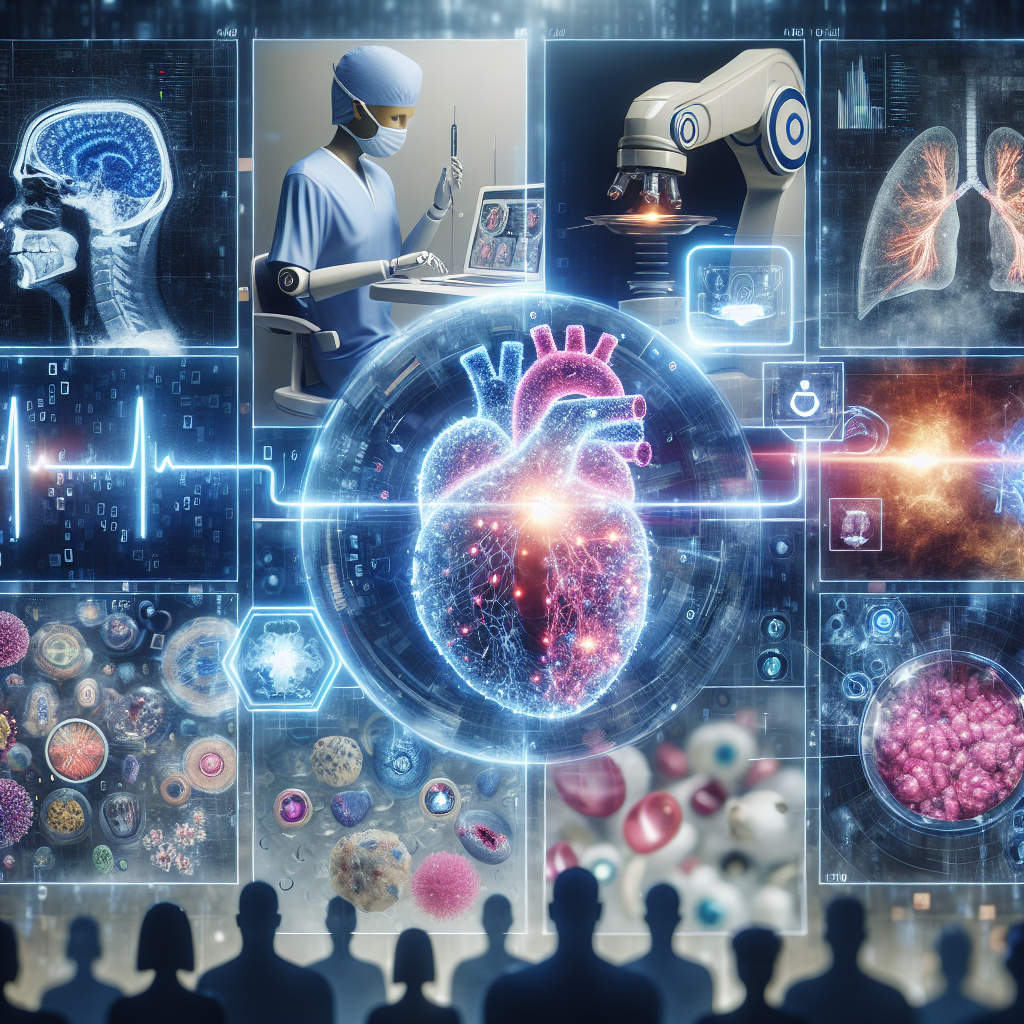 Explore the groundbreaking influence of AI applications in healthcare, focusing on diagnostics and treatment, and their role in shaping future healthcare paradigms.
Latest from AIML Tech Brief
Most Read
-

-
Oct 30 2018
-
Written by Craig Gehrig
Many large companies have already adopted some form of automation…
-
-
-
Dec 16 2019
-
Written by News
Artificial intelligence will be used to complete an unfinished symphony,…
-
-
-
Mar 17 2020
-
Written by Deborah Huyett
“What do you think you’re doing, Dave?” This iconic line…
-
-
-
Jan 08 2019
-
Written by Robert Agar
Industrial robots are not a new phenomena. They have been…
-
