



The integration of Artificial Intelligence in the retail sector has been nothing short of transformative. Among the most significant AI applications reshaping the industry are virtual assistants. These powerful tools are enhancing customer experiences, streamlining operations, and driving sales growth.
In recent years, virtual assistants have gained immense popularity in the retail space. Brands are increasingly leveraging these AI-driven solutions to offer personalized and efficient customer interactions. Virtual assistants can handle a wide range of tasks, from answering product queries to processing transactions, making them invaluable assets for retailers.
One of the key benefits of implementing virtual assistants is their ability to provide 24/7 customer support. Unlike human staff who have limited working hours, virtual assistants are available round the clock, ensuring that customers can access assistance whenever they need it. This not only enhances customer satisfaction but also helps in building brand loyalty.
A notable example of successful virtual assistant integration is seen in the operations of a major U.S. retailer, which recently reported a significant increase in customer engagement and sales conversions after deploying virtual assistants on their e-commerce platform. By analyzing customer data, these AI tools offered tailor-made recommendations, improving the overall shopping experience.
In addition to customer service, virtual assistants are also optimizing inventory management. They can predict product demand by analyzing historical data and current market trends, which allows retailers to keep their stock levels optimal and reduce costs associated with overstocking or stockouts.
While virtual assistants bring numerous advantages, it's crucial for businesses to address potential challenges, such as privacy concerns and data security. Ensuring compliance with regulations and maintaining transparency in AI operations are essential for safeguarding customer trust.
As AI technology continues to evolve, the role of virtual assistants in retail is expected to expand further. Their potential to create seamless, personalized shopping experiences positions them as a cornerstone of modern retail strategies.
Estimated reading time: 1 minute, 39 seconds
Revolutionizing Customer Experience with AI: The Emergence of Virtual Assistants in Retail Featured
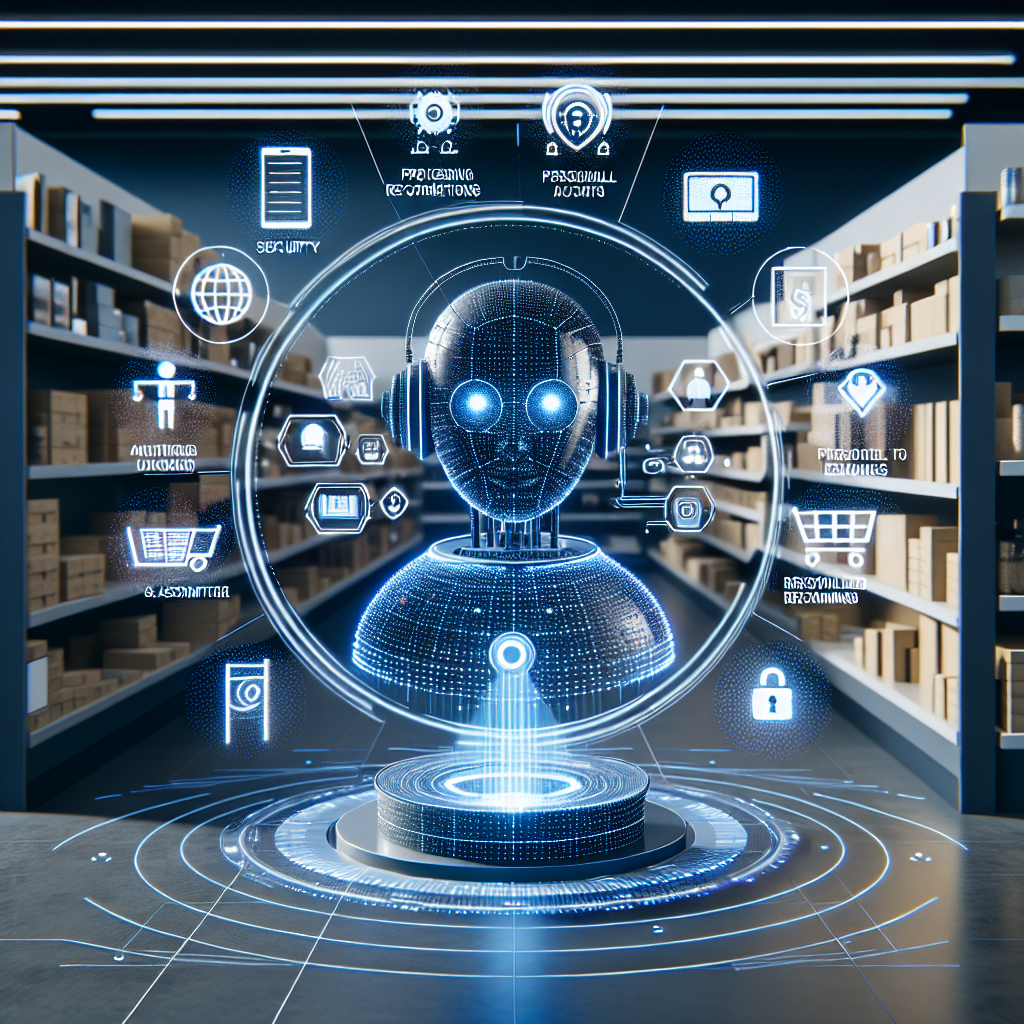 Explore the transformative role of virtual assistants in retail, enhancing customer experience, optimizing inventory, and driving sales growth through AI technology.
Latest from AIML Tech Brief
- The Rise of Machine Learning in Financial Forecasting
- Innovative AI Applications Revolutionizing Healthcare Delivery
- Leveraging AI Tools in Accounting: A Game-Changer for Financial Firms
- Emerging Tools in AI: Transforming Industries into the Future
- The Latest AI Tools Revolutionizing Business Operations
Most Read
-

-
Oct 30 2018
-
Written by Craig Gehrig
 Many large companies have already adopted some form of automation…
-
-

-
Dec 16 2019
-
Written by News
Artificial intelligence will be used to complete an unfinished symphony,…
-
-

-
Mar 17 2020
-
Written by Deborah Huyett
“What do you think you’re doing, Dave?” This iconic line…
-
-

-
Jan 08 2019
-
Written by Robert Agar
Industrial robots are not a new phenomena. They have been…
-