



AI-powered virtual assistants have become a cornerstone in transforming customer experience by automating services and providing real-time support. These intelligent systems can handle a myriad of customer interactions, offering not only resolution but also personalization.
The recent adoption surge is primarily driven by advancements in natural language processing (NLP) and machine learning (ML), which enable virtual assistants to understand and analyze customer queries better than ever before. This technological leap has led businesses across various sectors, including retail, finance, and healthcare, to integrate AI-driven conversational agents into their customer service operations. The result? A more efficient, engaging, and satisfying customer journey.
A recent example comes from a leading retail giant that implemented AI assistants to manage customer inquiries during their seasonal sales. These assistants were instrumental in reducing wait times, thereby enhancing the overall shopping experience. By intelligently routing complex queries to human agents and handling routine requests independently, they freed up resources and allowed a more focused human involvement where necessary.
In the financial sector, AI applications pave the way for enabling seamless customer service operations. Major banks now deploy AI assistants to constantly engage with customers, offering around-the-clock support and handling tasks from account inquiries to transaction disputes. This automation helps in cutting down on operational costs and improves customer satisfaction by providing instant solutions and advisory services.
Data privacy remains a crucial consideration, as AI applications continue to evolve. Companies need to ensure that customer data is safeguarded, complying with the stringent data protection regulations that govern AI technologies. Herein lies the importance of robust data governance and ethical AI deployment, which maintain consumer trust and remain compliant with the law.
The future of customer experience looks promising with the integration of these AI technologies. As virtual assistants become more refined and capable, businesses stand to benefit greatly from improved customer engagement, efficiency, and brand loyalty.
Estimated reading time: 1 minute, 38 seconds
Enhancing Customer Experience with AI-powered Virtual Assistants Featured
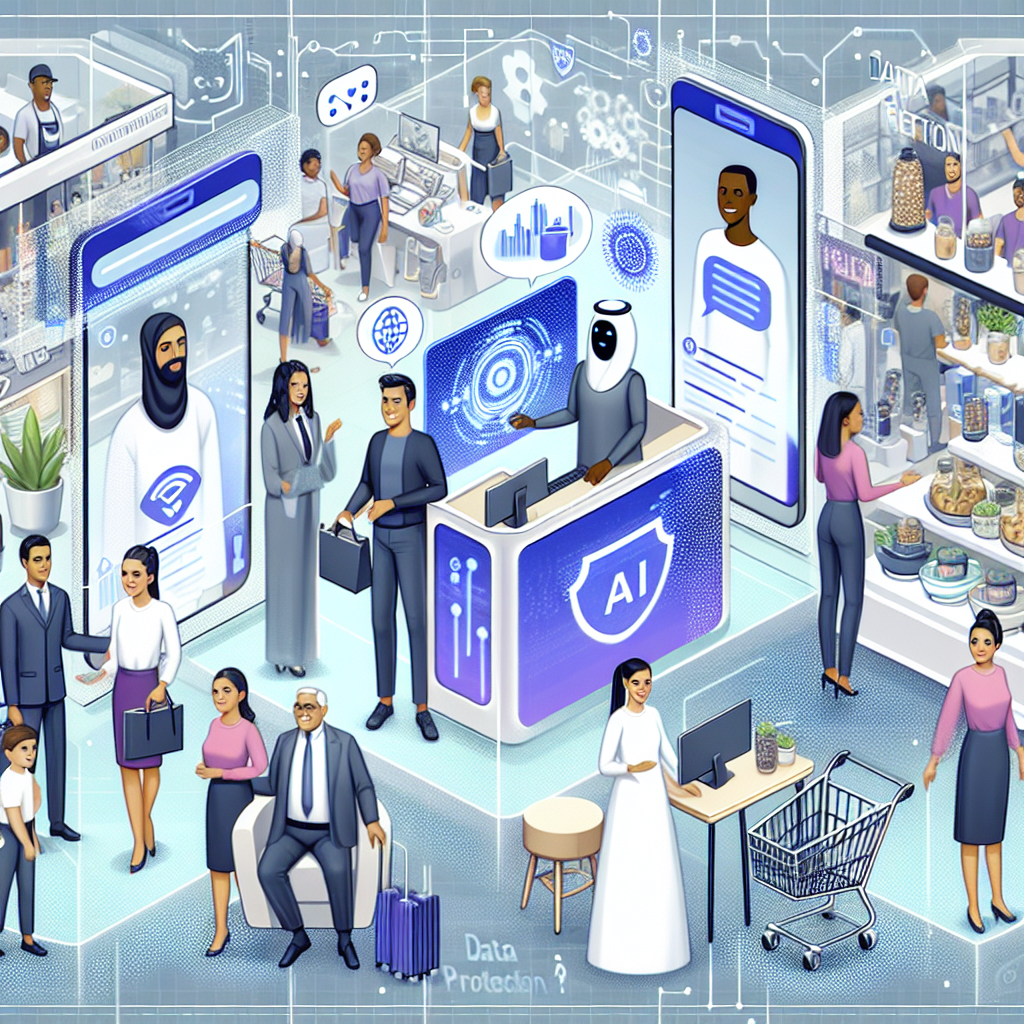 Explore how AI-powered virtual assistants are revolutionizing customer experience across industries, with enhanced personalization and efficient service delivery.
Latest from AIML Tech Brief
- The Rise of Machine Learning in Financial Forecasting
- Innovative AI Applications Revolutionizing Healthcare Delivery
- Leveraging AI Tools in Accounting: A Game-Changer for Financial Firms
- Emerging Tools in AI: Transforming Industries into the Future
- The Latest AI Tools Revolutionizing Business Operations
Most Read
-

-
Oct 30 2018
-
Written by Craig Gehrig
 Many large companies have already adopted some form of automation…
-
-

-
Dec 16 2019
-
Written by News
Artificial intelligence will be used to complete an unfinished symphony,…
-
-

-
Mar 17 2020
-
Written by Deborah Huyett
“What do you think you’re doing, Dave?” This iconic line…
-
-

-
Jan 08 2019
-
Written by Robert Agar
Industrial robots are not a new phenomena. They have been…
-