



In recent days, the banking sector has been making headlines due to its revolutionary strides in combating financial fraud through the implementation of machine learning. As institutions strive to enhance security measures, machine learning emerges as a valuable weapon in this ongoing battle.
The versatility of machine learning algorithms allows banks to analyze vast amounts of transactional data, detecting anomalies that might indicate fraudulent activities. Unlike traditional methods, machine learning systems learn from patterns and evolve with time, thus increasing their precision and efficiency over days and months.
One prominent example is the American banking giant JPMorgan Chase, which has heavily invested in AI infrastructure. They have reported a significant reduction in fraudulent transactions by leveraging predictive analytics to identify suspicious behavior. Experts note that these machine learning models can adapt to changing fraud tactics, learning in real-time and mitigating risks promptly.
Moreover, the improvements in customer experience are undeniable. With quicker transaction processing and fewer false positives in fraud alerts, clients enjoy a smoother banking experience. This change not only builds trust but also helps in maintaining consumer loyalty, an essential component in the competitive financial services market.
The challenges, however, remain in ensuring data privacy and minimizing biases within the algorithms. Banks are aware of the stakes involved and are hence putting robust checks and balances in place. It's essential for them to collaborate with technology firms specializing in AI ethics to keep their systems transparent and trustworthy.
A compelling case was recently discussed in a conference by Ernest & Young (EY), highlighting their role in consultancy services that focus on developing ethical AI frameworks for financial institutions. Their approach ensures that machine learning tools used for fraud detection align with global regulations and ethical standards, maintaining consumer privacy at every step.
Banks leading the charge in this domain serve as examples for entities across diverse sectors, demonstrating the potential of machine learning in transforming operational risk management processes. As technology advances, the emphasis on creating secure, efficient, and user-friendly financial systems will only continue to grow.
The horizon looks promising as institutions embrace AI technologies. Machine learning is not just a trend within banking; it represents a cornerstone technology evolving into an industry standard for safeguarding against financial fraud.
Estimated reading time: 1 minute, 58 seconds
Revolutionizing Fraud Detection with Machine Learning: Banks Leading the Charge Featured
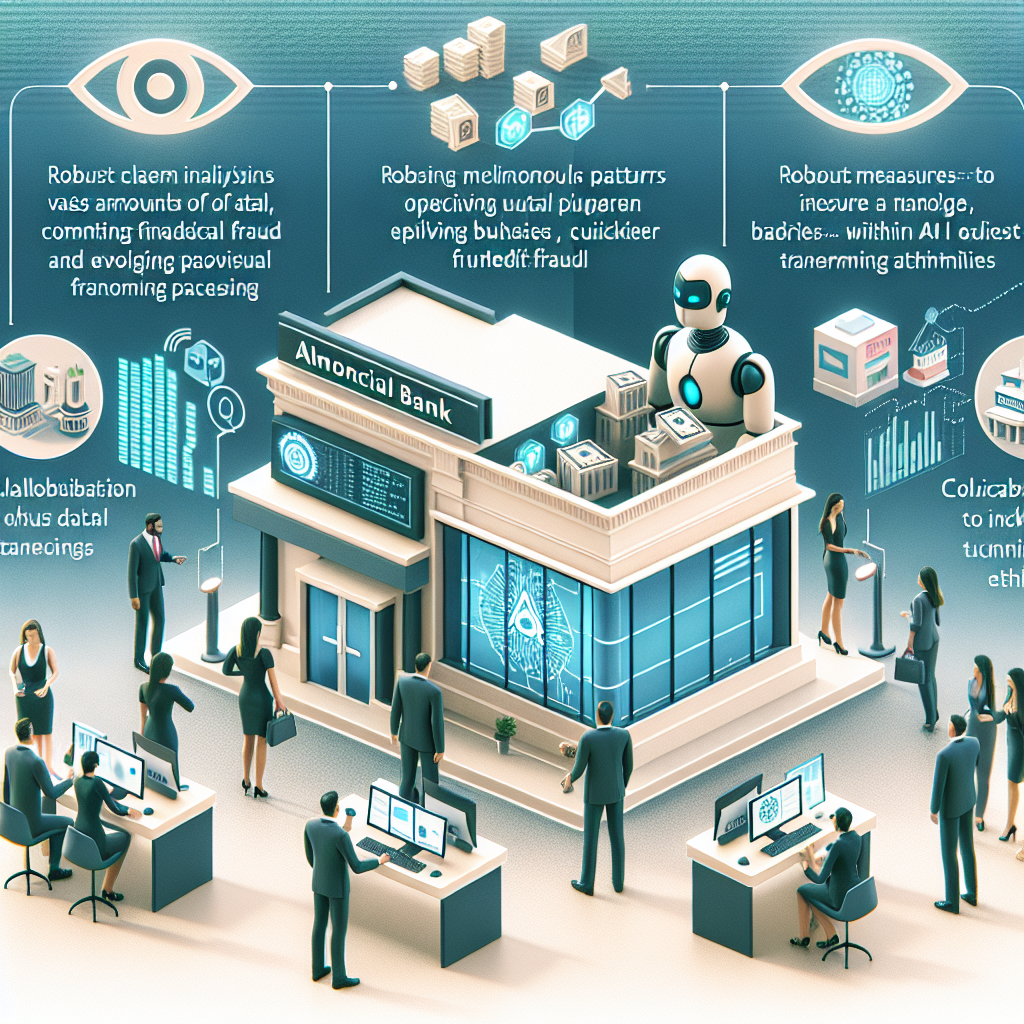 Explore how machine learning is transforming fraud detection in the banking sector, with insights into its impact on financial security and customer experience.
Latest from AIML Tech Brief
- The Rise of Machine Learning in Financial Forecasting
- Innovative AI Applications Revolutionizing Healthcare Delivery
- Leveraging AI Tools in Accounting: A Game-Changer for Financial Firms
- Emerging Tools in AI: Transforming Industries into the Future
- The Latest AI Tools Revolutionizing Business Operations
Most Read
-

-
Oct 30 2018
-
Written by Craig Gehrig
 Many large companies have already adopted some form of automation…
-
-

-
Dec 16 2019
-
Written by News
Artificial intelligence will be used to complete an unfinished symphony,…
-
-

-
Mar 17 2020
-
Written by Deborah Huyett
“What do you think you’re doing, Dave?” This iconic line…
-
-

-
Jan 08 2019
-
Written by Robert Agar
Industrial robots are not a new phenomena. They have been…
-